



free wheel chair
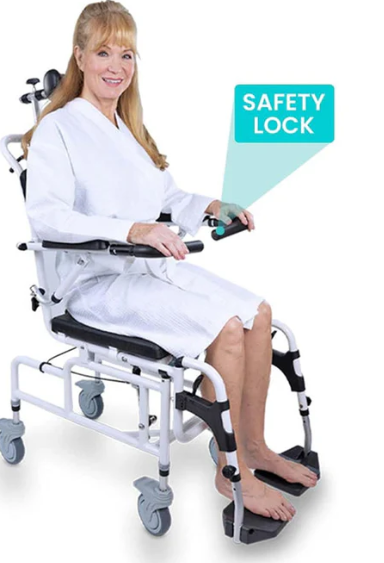
Free Wheelchairs: A Lifeline Connecting Resources and Needs
Around the world, there is often a gap between the demand for mobility assistive devices and individuals’ economic capacity. Free wheelchair programs exist to bridge this divide—they are not only physical support tools but also a bridge linking social care with personal needs, reopening the door to independent living, social participation, and dignity for countless people.
The Global Ecosystem of Free Wheelchairs
Major Providers:
International humanitarian organizations: Such as the Free Wheelchair Mission and Hope Haven, focusing on assistance in developing countries
Government medical programs: Providing devices to eligible citizens through public healthcare systems
Health insurance companies: Offering partial or full reimbursement based on policy terms
Local non-profit organizations: Community-driven small-scale programs addressing local needs targetedly
Hospitals and rehabilitation centers: Providing short-term rentals or transitional support
Access Pathways Analysis:
Eligibility-based application: A rigorous review process based on medical needs and financial status
Donation recycling: Collecting and refurbishing used wheelchairs for redistribution after professional repair
Emergency response: Rapid distribution post-disaster or in refugee settlements
Community sharing libraries: Short-term borrowing systems, similar to a "library" model
Profound Impacts: Changes Beyond Material Goods
Personal Transformations:
Health improvement: Preventing pressure sores, free wheel chair enhancing respiratory function, and reducing muscle atrophy
Psychological reconstruction: Restoring confidence, alleviating depression, and rebuilding self-identity
Economic empowerment: Regaining the ability to work or access education, breaking the cycle of poverty
Multiplied Social Benefits:
Reducing public health costs of long-term care
Freeing up time and energy for family caregivers
Promoting inclusive community building and social integration
Creating a positive social cycle of "giving and receiving"
Dual Challenges of Quality and Safety
Two core issues must be addressed in the provision of free wheelchairs:
Adaptability Risks:
Mismatch problems caused by "one-size-fits-all" distribution
Risk of secondary injuries due to lack of professional assessment
Inability to meet special body types or complex needs
Quality Concerns:
Aging and wear of donated equipment
Inconsistent repair standards
Lack of follow-up adjustment and maintenance support
Addressing these challenges requires a combination of professional assessment systems, free wheel chair standardized refurbishment processes, and continuous follow-up services.
Sharing Successful Practice Models
Case 1: Vietnam’s "Custom-Tailored" Program
Collaboration between international organizations and local craftsmen
Manufacturing low-cost custom wheelchairs using local materials
Training community workers in basic fitting
Case 2: U.S. "Wheelchair Recycling" Initiative
Partnering with medical equipment companies to 回收 used devices
Vocational rehabilitation centers providing refurbishment training
Establishing state-level assessment and distribution networks
Case 3: African Mobile Workshops
Trucks converted into mobile repair workshops
Traveling to remote areas to provide services
Training local maintenance personnel simultaneously
How to Smartly Find and Evaluate Free Resources
Search Channels:
Consult attending physicians or rehabilitation therapists
Contact local disability services offices
Check coverage items in health insurance policies
Search verified charity organization databases
Quality Check List:
Whether professional medical staff participate in assessment
Whether the equipment has safety certification marks
Whether usage training and safety guidance are provided
Whether there is a commitment to follow-up maintenance or adjustments
Whether the donating organization has a good reputation record
Donors’ Responsibilities and Wisdom
If you wish to donate a wheelchair:
Honestly assess its condition: Clearly state any damage
Choose credible channels: Avoid equipment flowing into improper markets
Consider comprehensive costs: Including transportation, refurbishment, and distribution fees
Support systemic solutions: Sometimes monetary donations are more effective than physical donations
Future Outlook: From Charity to Sustainable Systems
The development of free wheelchairs is undergoing a paradigm shift:
From one-way giving to collaborative creation: Users participate in the design process
From charitable relief to right realization: Integration into national disability policy frameworks
From international aid to local manufacturing: Building sustainable local production capacity
From equipment provision to comprehensive services: free wheel chair A complete support system including training, maintenance, and upgrades
Conclusion: A Declaration of Equality Behind Every Wheelchair
A free wheelchair, when truly suited to the user, holds value far beyond its material cost. It represents a social promise: everyone has the right to move with dignity, regardless of their economic status.
In this field, we witness the most practical expression of human empathy—weaving technology, resources, and social care into a safety net to ensure no one is trapped in immobility due to financial hardship.
Whether as a recipient, donor, or coordinator, participating in this process is an active contribution to building an inclusive society. free wheel chair For a truly accessible society requires not only the elimination of physical barriers but also the removal of barriers to accessing assistive technology. Every carefully fitted, freely provided wheelchair silently proclaims: freedom of movement is a fundamental right for all, not a privilege for a few.